
Vasiliki, Lefkada: The Village Where the Wind Keeps Time
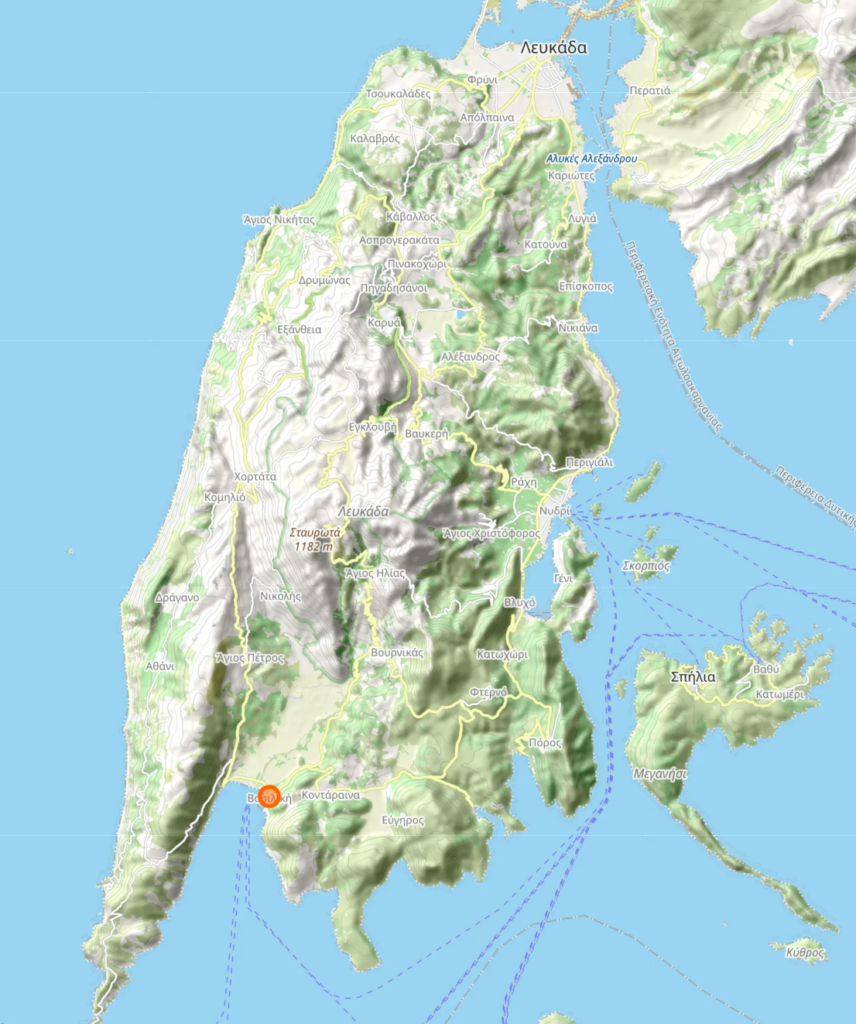
Most Greek villages are organised around a church, a square, or a harbour. Vasiliki is organised around a wind.
It sits at the southern tip of Lefkada, tucked into a deep bay with high mountains rising behind it on three sides. Arrive in the morning, and the water is glass. Fishing boats sit motionless, the tavernas along the waterfront are still setting out their chairs, and the whole place feels like a quiet Ionian backwater that tourism somehow forgot. Then, sometime after lunch, the mountains begin to release the heat they have been storing since sunrise, air pours down the slopes into the bay, and by mid-afternoon the flat water has turned into one of the most reliable windsurfing arenas in Europe.
Locals and returning visitors have long called that afternoon wind Eric. It is a joke that stopped being a joke decades ago. Eric shows up almost daily through June, July and August, usually somewhere between one and three in the afternoon, and often blows until the sun drops behind the ridge. That single meteorological habit shaped everything about the village: who comes here, what they do all day, and why so many of them come back.
A day in Vasiliki has a schedule, and the wind wrote it
The rhythm is unusually predictable, which is part of the appeal.
Morning belongs to beginners, families and anyone who wants the sea calm. Light onshore breeze, warm water, gentle conditions. This is when the schools run their first lessons, when stand-up paddleboards go out, and when the boat trips leave the harbour.
Midday is for lunch and shade. The waterfront tavernas fill up, the beach umbrellas at Ponti start to lean, and you can feel the pressure changing.
Afternoon is showtime. The bay fills with sails, the experienced riders launch fast because nobody wants to waste the good hours, and 15 to 25 knots is an ordinary day rather than an exceptional one. From a taverna chair on the beach, the whole thing plays out like free theatre.
Evening is soft again. The wind dies with the light, the harbour goes quiet, and Vasiliki turns back into a village.
If you do not windsurf at all, none of this is wasted on you. The morning and evening ends of the day are pure Ionian holiday, and the afternoon is genuinely fun to watch.
The beaches
Vasiliki’s own beach runs along the bay: long, shallow, pebbly, and functional rather than postcard perfect. It is where the surf centres are, and it does its job well.
Ponti is the wide western end of the same bay, the main launch zone and the best place to sit with a frappe and watch the sails cross in front of you.
Agiofili is the one people photograph. It is a small cove just east of the port, backed by cliffs, with water in a shade of turquoise that looks edited. You can walk down a rough track or, far more sensibly, take one of the little water taxis that shuttle out of Vasiliki harbour every half hour or so in season. Go early. It is small, and it fills.
Porto Katsiki and Egremni sit on the island’s west coast, about half an hour away by car, at the base of tall white cliffs. These are the beaches that put Lefkada on magazine covers. Access has changed repeatedly over the years after landslides and earthquake damage, so check locally on the day rather than trusting an old blog post. Boat trips from Vasiliki are the reliable alternative and arguably the better way to see them anyway, because the cliffs are more impressive from the water.
The village itself
Vasiliki is small. The permanent community numbers in the low hundreds, and in winter it more or less closes. In summer the population multiplies and the mix is distinctly international: British and German windsurfers who have been coming for twenty years, Italian sailors off the yachts, Greek families on holiday, instructors in their early twenties from half of Europe.
The waterfront is the whole social life of the place. A single strip of tavernas, cafes, a couple of bars, dive and surf shops, a bakery, a mini market or two, and the quay where the ferries and the yachts tie up. Eat fish. This is still a fishing village underneath the neoprene, and the grilled catch of the day with a plate of horta and a cold beer, taken at a table close enough to the water that you can hear it, is the correct dinner in Vasiliki. Look also for local specialities from the wider island: Lefkada makes an excellent cured salami and a well-known lentil from the mountain village of Eglouvi.
The atmosphere is sporty and relaxed rather than glamorous. Nobody dresses up. There are no clubs to speak of. People eat late, drink moderately, and go to bed because the wind starts again tomorrow.
Getting out of town
Cape Lefkatas is the island’s southwestern point, about twenty minutes’ drive, and it is worth the trip at sunset. This is the cliff of the ancient temple of Apollo, and the place tied to the legend of Sappho throwing herself into the sea. Whether or not you care about the myth, standing on a two hundred foot drop with open Ionian on three sides and nothing but wind is a memorable half hour.
Kefalonia and Ithaca are within easy reach, which is one of Vasiliki’s underrated advantages. A car ferry crosses from Vasiliki to Fiskardo, the prettiest harbour on Kefalonia, in about an hour, and there is a seasonal link to Frikes on Ithaca. Taking the boat from the south of the island saves a long drive around the top. Book vehicle space in advance in July and August. Foot passengers can usually turn up half an hour before.
The mountain villages behind Vasiliki are the antidote to the beach. Drive up through Agios Petros, Marantochori or Sivros, and you find olive terraces, stone houses, older men outside kafeneia, and views back down over the bay that explain the geography of the wind better than any diagram.
Boat rental is straightforward here, and half a day in a small self-drive boat along the south and west coasts is one of the best things you can do on Lefkada without any licence or experience.
Practicalities
Getting there. Lefkada is joined to the mainland by a causeway and floating bridge, so no ferry is needed to reach the island. The nearest airport is Aktion (PVK) near Preveza, roughly an hour and a half by road. Hire a car if you can. Buses exist but they are infrequent, and they will shape your holiday more than you want.
When to go. June to early September for the classic conditions, with July and August the windiest and busiest. May and late September are lovely and quieter, with lighter and less dependable wind. From November the village largely shuts down.
Where to stay. Small hotels, studios and apartments, several of them attached to the surf centres, plus a campsite close to the water. There are no large resorts, which is precisely why the place has kept its character.
Bring. Beach shoes for the pebbles, a light layer for the evenings once the wind is up, and reef safe sunscreen. The afternoon breeze hides how strong the sun is.
Why people keep coming back
Vasiliki is not the prettiest village on Lefkada and it does not try to be. What it has is a rare thing: a place with a purpose, where a natural phenomenon gives every day a shape, and where the people around you are all there for roughly the same reason. You can learn a sport here in a week. You can also do nothing at all, in a chair, with a coffee, watching other people learn a sport.
Either way, at around two in the afternoon, you will feel the first gust come down off the mountain, and you will look up. Everyone does.